
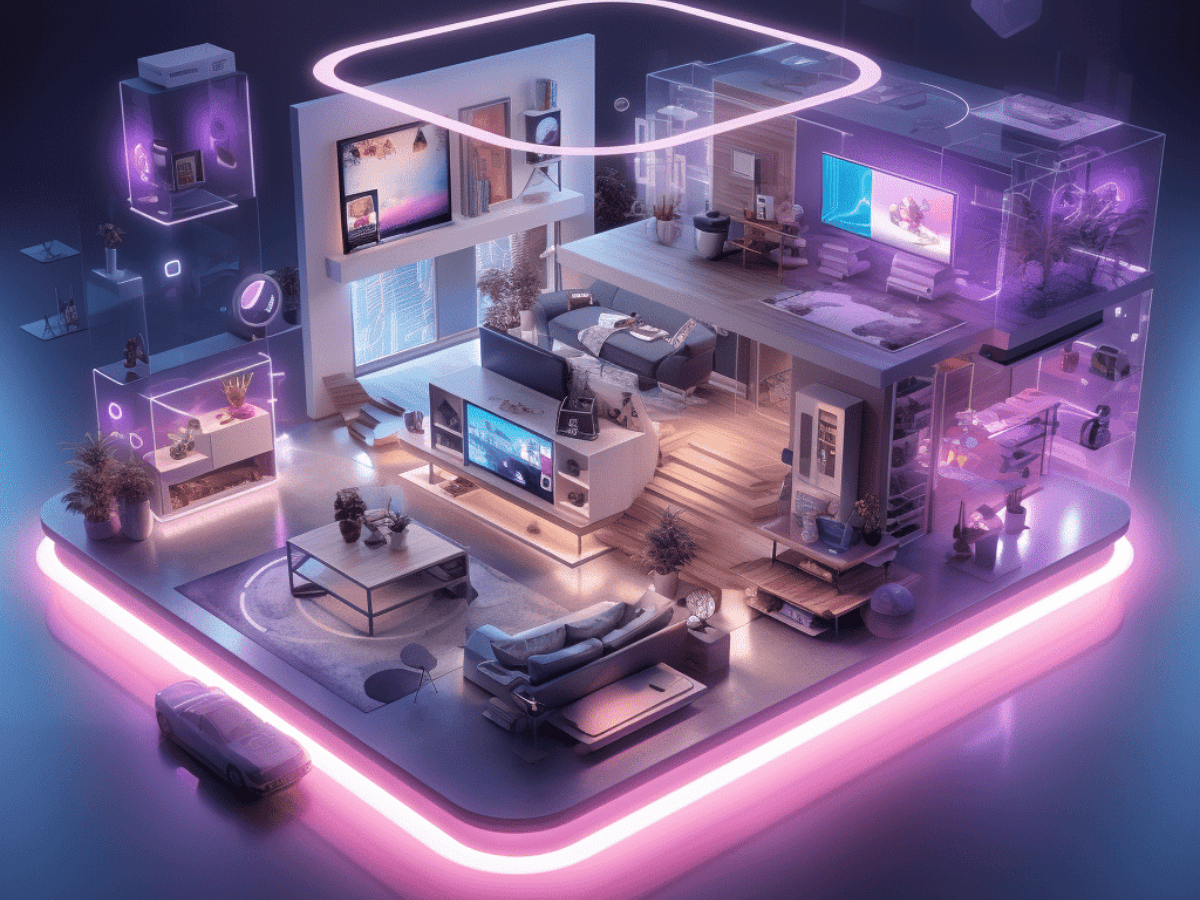
Modern homes are increasingly being transformed through smart home technology, and everyday tasks are being made more convenient through connected devices. With the help of the internet, household systems can be monitored, controlled, and automated from smartphones or other connected platforms. As a result, more comfort, efficiency, and control are being provided to homeowners.
Moreover, smart technology is being used for lighting, security, heating, entertainment, and household appliances. Because these systems can communicate with each other, many routine activities can be completed with less effort. Therefore, the connected home is being viewed as an important part of modern living.
How Smart Home Technology Is Improving Everyday Convenience
A wide range of connected devices is now being used to simplify daily routines. Smart lights can be scheduled or adjusted remotely, while smart thermostats can be programmed according to household preferences. Similarly, connected appliances can be monitored through mobile applications.
In addition, voice assistants can be used to control compatible devices without physical interaction. As a result, repetitive household activities can be automated, and valuable time can be saved. Furthermore, personalized settings can be created so that devices respond to specific routines.
Smart Home Devices and Connected Home Security
Home security is also being improved through smart home devices. Smart cameras, video doorbells, motion sensors, and connected locks can be monitored through digital platforms. Consequently, homeowners can receive alerts when unusual activity is detected.
Furthermore, security systems can be managed remotely, even when residents are away from home. Door locks can be controlled digitally, while cameras can be checked through smartphones. Therefore, greater awareness and control can be provided through home automation.
Energy Efficiency Through Connected Home Automation
Energy consumption can also be reduced through energy-efficient smart homes. Smart thermostats can be adjusted automatically, while lighting can be switched off when it is no longer required. Similarly, some connected appliances can be scheduled to operate during preferred periods.
As a result, unnecessary energy use can be reduced and household efficiency can be improved. Moreover, energy usage can often be monitored through connected applications. This information can then be used to identify wasteful habits and make better decisions.
The Future of Connected Living
The future of connected living is expected to be shaped by greater automation and improved device communication. More household systems are likely to be connected, while artificial intelligence may be used to make devices more responsive.
However, privacy and cybersecurity should also be considered as more devices become connected. Strong passwords, secure networks, and regular software updates should be maintained. Ultimately, smart home technology is changing daily life by making homes more automated, convenient, secure, and efficient.

