
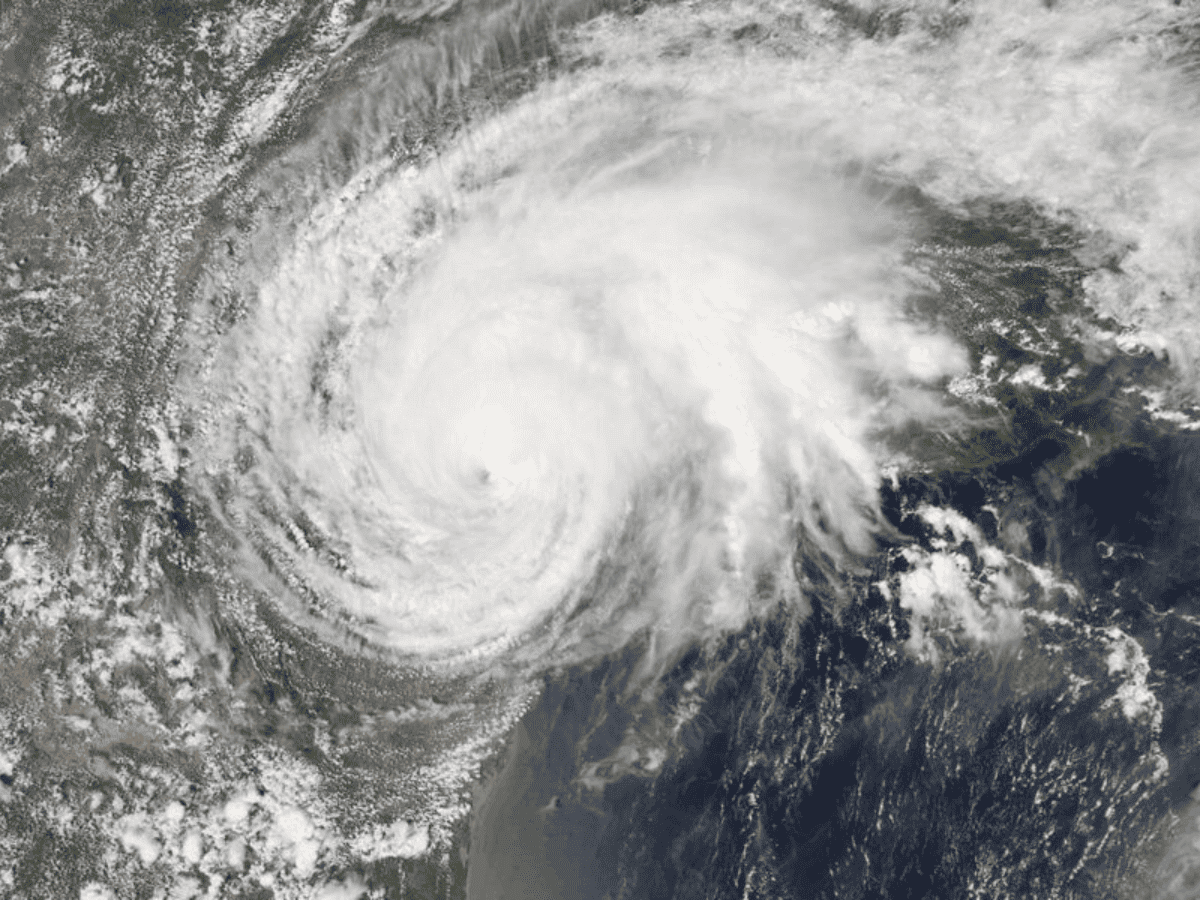
Extreme weather events are being observed more closely as unusual patterns are being reported in different parts of the world. Heatwaves, heavy rainfall, powerful storms, droughts, and severe winter conditions are being monitored because their effects can be experienced by communities, ecosystems, and infrastructure. As a result, extreme weather events are being given greater attention by scientists, governments, and the public.
Weather conditions are naturally variable. However, unusual intensity, duration, or frequency can create additional challenges. Therefore, improved monitoring systems are being used to identify changing patterns and provide earlier warnings. Moreover, historical records are being compared with current observations so that long-term changes can be better understood.
Major Types of Extreme Weather Being Monitored
Several types of unusual weather are being closely tracked. Heatwaves are being recorded when unusually high temperatures continue for extended periods. Similarly, heavy rainfall can result in flooding when drainage systems and natural landscapes are overwhelmed.
Drought conditions are also being monitored because water availability can be reduced over long periods. Meanwhile, hurricanes, cyclones, and severe storms are being observed through satellites, weather stations, and forecasting systems. Consequently, severe weather patterns are being studied to improve preparation and public safety.
Why Changing Weather Patterns Are Being Studied
Unusual weather conditions are being studied because their impacts can extend beyond a single location. Agriculture can be affected when rainfall becomes irregular or temperatures become unusually high. In addition, roads, buildings, power systems, and water infrastructure can be damaged during severe events.
Furthermore, climate data is being collected over long periods. This information is being used to distinguish short-term weather variations from longer-term climate patterns. Therefore, changing weather patterns are being analyzed through computer models, historical records, satellite observations, and ground-based measurements.
How Extreme Weather Can Affect Communities and Nature
Communities can be affected in several ways when extreme weather occurs. Homes and public infrastructure can be damaged, while transportation and essential services can be disrupted. At the same time, emergency responses may be required when dangerous conditions are experienced.
Natural ecosystems can also be affected. Crops may be damaged by drought or excessive rainfall, while wildlife habitats can be altered by heat, flooding, and storms. Moreover, water resources can be placed under additional pressure. As a result, climate change effects and their relationship with extreme events are being carefully examined.
The Importance of Monitoring and Weather Preparedness
Better monitoring is being considered essential for reducing the risks associated with unusual weather. Forecasting technologies are being improved, while satellite data and weather observations are being combined to provide more detailed information. Early warning systems are also being developed so that communities can be informed before dangerous conditions arrive.
At an individual level, emergency plans can be prepared and local weather alerts can be followed. Essential supplies can also be kept available when severe conditions are expected. Therefore, weather preparedness can play an important role in reducing potential harm.
Overall, extreme weather is being closely watched because its effects can be widespread and disruptive. Although individual events cannot always be predicted far in advance, improved monitoring and preparation can help reduce risks. Consequently, extreme climate events are being studied through increasingly advanced technologies and long-term climate research. With better information and stronger preparedness, communities can be better positioned to respond to unusual weather conditions.

